
Planned for Tampa Weather
Heavy summer rain can interrupt a water-loss test or complicate resurfacing. Weather, equipment access and the condition of the pool guide how the work is planned.
Tampa Pool Repair Pro focuses on commercial pool pump repair, commercial and residential pool resurfacing, pool heater repair and pool leak detection in Tampa, Florida. Hotels, apartments and community pools need an operating plan as well as a repair. Homeowners need clear answers about worn finishes, water loss and equipment faults. Tell us what has changed so we can help you compare the next steps.
West Central Florida’s rainy season generally runs from late May into early October. Pool work here needs to account for wet equipment areas, changing water levels and the conditions around an empty shell. Our approach connects the repair to the whole system, with attention to circulation, equipment access and the water care that follows.
Heavy summer rain can interrupt a water-loss test or complicate resurfacing. Weather, equipment access and the condition of the pool guide how the work is planned.
A failed seal and a worn-out pump need different solutions. Inspection helps separate a small component repair from a larger equipment problem before you choose the scope.
Understand what the inspection found, which parts can be repaired and when replacement is worth considering. The goal is a useful explanation you can act on.
Access to gates, screens and the equipment pad matters. Project planning includes protecting nearby surfaces, managing debris and leaving room to operate and maintain the equipment.
A backyard pool and an apartment pool operate differently. Commercial work needs attention to the responsible operator, design flow, connected treatment equipment and any scope-specific review.
A repair does not end with new parts. Flow checks, settings and finish-specific startup instructions help you understand what happens next and when normal use can resume.
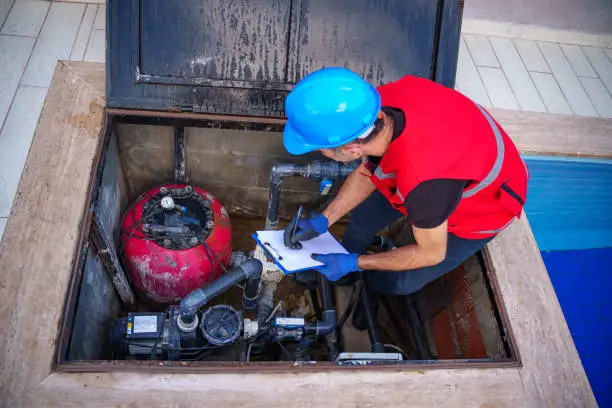
A pump that loses prime or leaves water on the pad may have a seal or suction-side leak. Diagnosis checks the lid, shaft seal, fittings and flow before a complete replacement is discussed. A storm-soaked equipment area can make the source harder to spot. Photos of the leak and the model label help start the conversation.
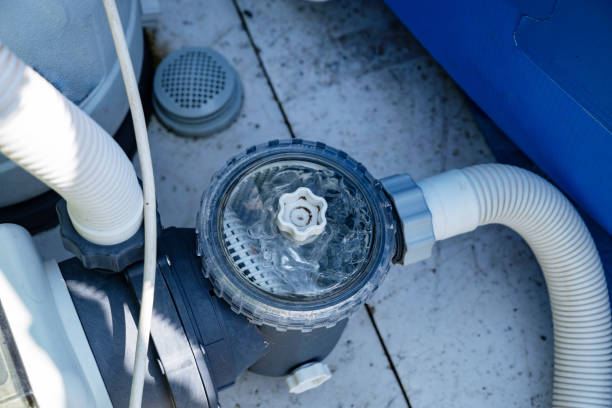
A replacement pump should match the filter, pipework, heater and controls already at your Tampa home. Variable speed allows different operating settings instead of one fixed motor speed. The choice depends on required flow and the jobs the pump has to do. Installation planning also considers access, connections and any electrical changes.
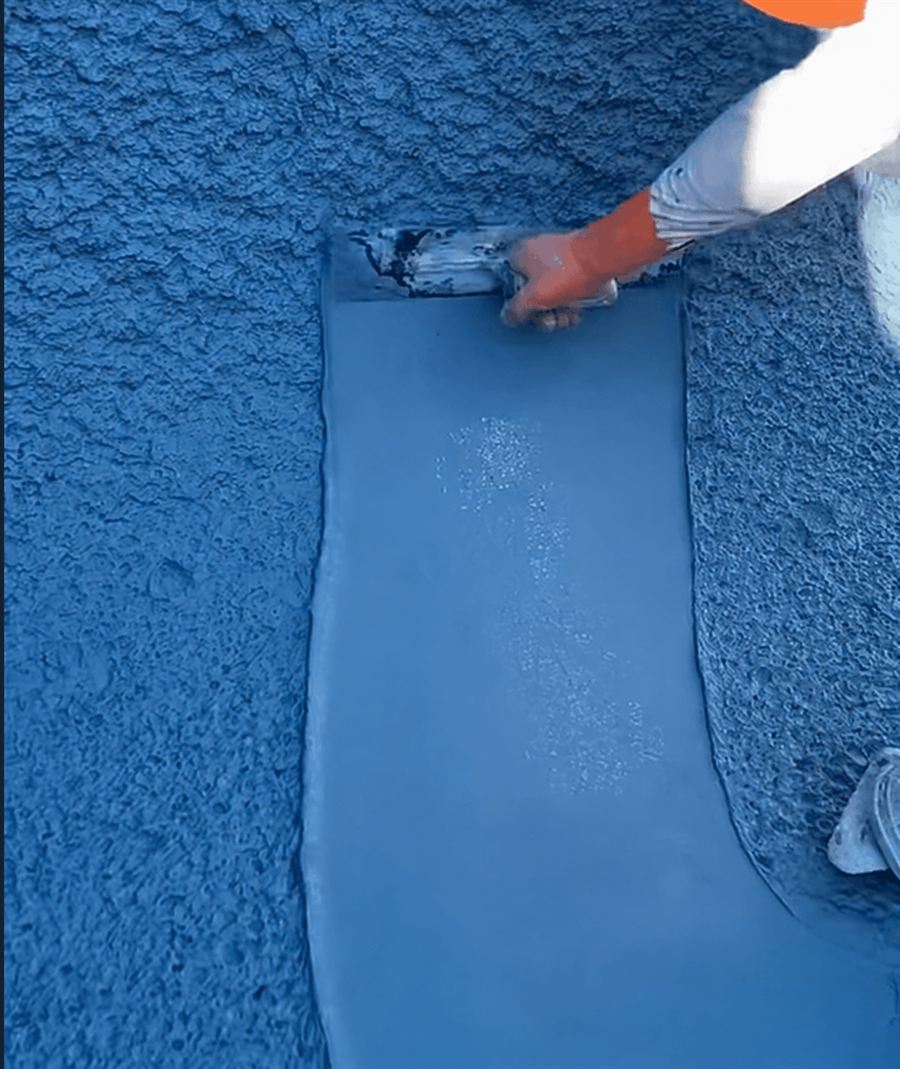
A rough interior can make a pool uncomfortable without telling you why the finish failed. Surface preparation, loose material and underlying defects need attention before choosing plaster, quartz or pebble. Tampa’s rainy season makes drain-and-refill planning especially important. The quote should separate interior work from tile, coping and other extras.
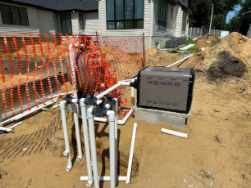
A heater that switches off may be reacting to poor water flow rather than a failed heating unit. Assessment starts with the fault code, filter condition and the type of heater installed. Heat pumps also need the clear airflow specified by their manufacturer. For Tampa homes, swimming habits and cooler-weather use help guide repair or replacement.
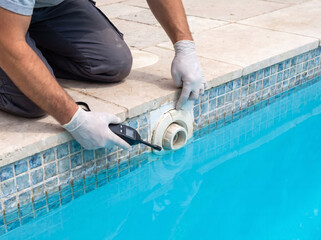
A falling waterline deserves a measured test before assuming the pool has a leak. A rain-free 24-hour bucket comparison can help separate evaporation from unexplained loss. Inspection may then move to dye testing, plumbing pressure tests or acoustic equipment. Locating a leak and repairing it are separate parts of the job.
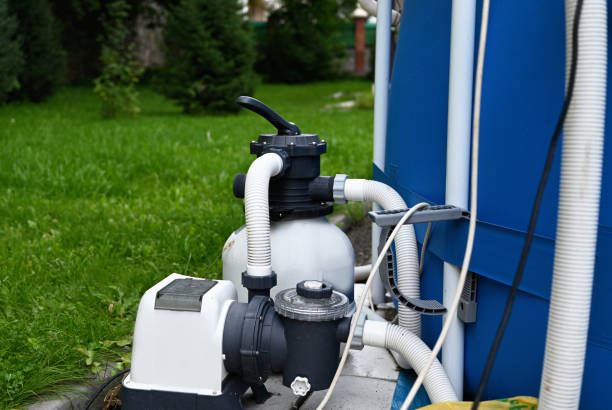
Rising filter pressure, cloudy water and leaking fittings can have different causes. The filter, seals and circulation equipment need to be checked together. A serviceable O-ring is a parts repair, while a cracked pressure tank requires the damaged component to be replaced. Replacement capacity should suit the system rather than just fit the available space.
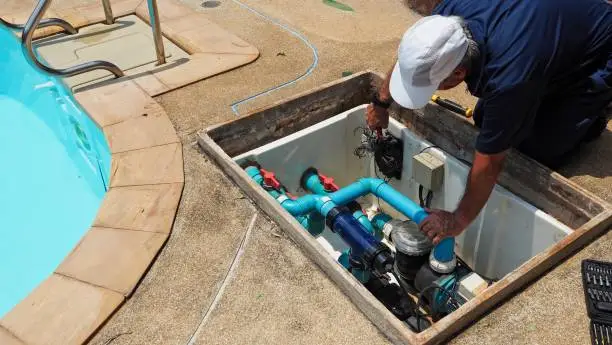
Shared-pool pump faults affect more than one piece of equipment. A Tampa hotel or apartment pool needs circulation checked against its operating requirements and connected treatment system. Commercial model ranges can include 3–15 HP pumps, but horsepower alone does not specify the correct replacement. Diagnosis considers seals, bearings, impellers, motor supply and controls.
Commercial replacement starts with the approved circulation design and the actual equipment schedule. Pipework, filter limits, voltage, phase and treatment controls all affect compatibility. Changes to capacity or installation details may require review by the responsible authority. Planning with the operator helps identify access needs and disruption before equipment is ordered.
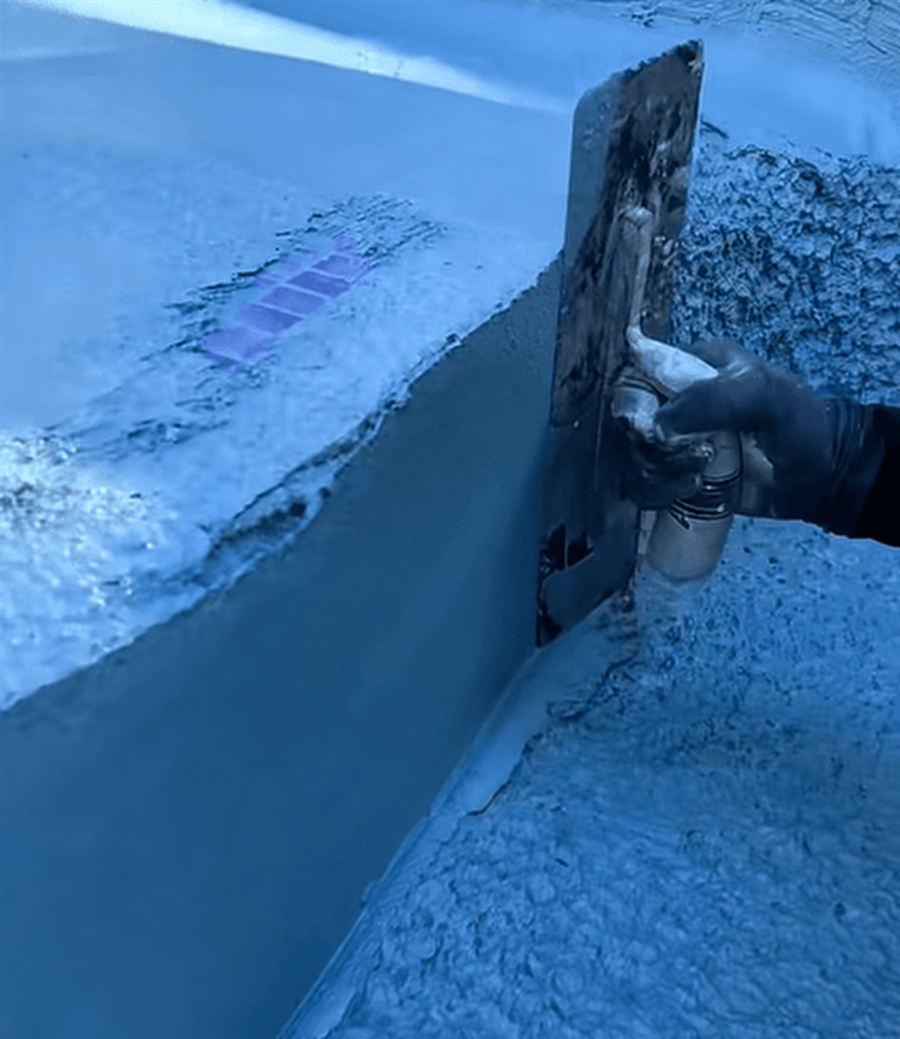
A shared pool needs a resurfacing plan that includes closure, preparation and reopening. The interior finish, steps, fittings and markings should be reviewed together. Public-pool work in Hillsborough County can involve building and Florida Department of Health requirements depending on the scope. Startup care and operator responsibilities belong in the plan from the beginning.
A community or hotel heater has to meet the property’s operating needs. Water flow, controls, heating demand and the existing plant are assessed before recommending major parts. Multiple heaters and shared controls need a system view instead of a home-pool shortcut. The repair scope should explain downtime, compatibility and any required trade coordination.
Automatic filling can conceal a shared pool’s water loss. Start with water-use records, visible equipment and the operator’s observations. Targeted dye tests, line testing or acoustic work may narrow the source before opening a deck. A diagnostic report helps the property manager compare the repair scope and plan the next visit.
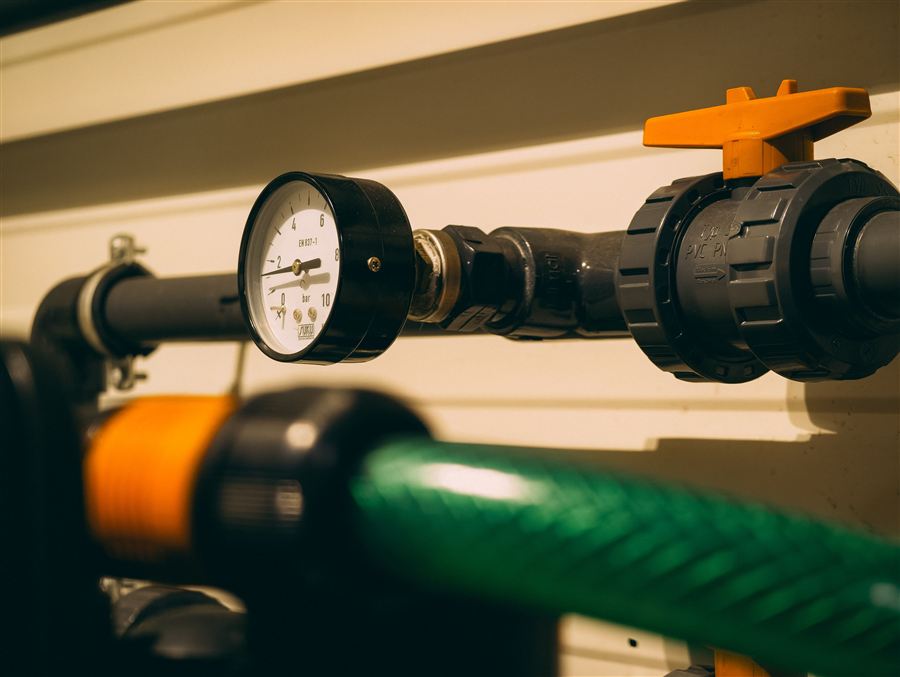
Commercial filtration needs to handle the pool’s design flow and operating load. Pressure changes, damaged housings and leaking seals should be reviewed with the pump and treatment equipment. A new filter must fit the system’s capacity and maintenance arrangements. Work planning includes the operator and any scope-specific building or health review.
Published planning benchmarks help compare scope. A written quote confirms the equipment, preparation and inclusions for your pool. Larger commercial systems are assessed individually.
| Service | Typical price range |
|---|---|
| Pool Leak DetectionPublished Tampa diagnostic benchmark; complex testing and repairs are separate. | $250–$650 |
| Standard Plaster ResurfacingPublished local example for a 14 × 28-ft pool; preparation and measured interior area change the scope. | $4,500–$6,500 |
| Variable-Speed Pump ReplacementGeneral installed planning benchmark; model, connections and electrical work affect the quote. | $1,200–$2,000+ |
| Minor Fitting & Skimmer Leak RepairsPublished Tampa small-repair benchmark; not a price for every pool fault. | $200–$800 |
Share the model, symptoms, photos and whether the pool is residential or shared.
Look at the fault with the connected plumbing, filtration, controls or finish.
Review a targeted repair, a replacement or further testing with a clear proposed scope.
Account for the work area, Tampa weather, required review and any operator coordination.
Carry out the agreed scope and check the relevant flow, connections, heating or finish.
Confirm settings, startup care and return-to-use instructions for the actual equipment or finish.
The core service areas are pump repair and replacement, resurfacing, heater repair and leak detection. The service pages explain residential work and the different needs of shared commercial pools.
No. A serviceable seal or connection may be the fault, while a damaged housing or recurring motor problem may make replacement more practical. Diagnosis should identify the actual cause.
Rain can disturb leak-screening measurements and affect planning around an empty pool. The timing and site conditions should be considered rather than relying on a fixed calendar rule.
They can involve different responsible authorities. Confirm whether the property is inside city limits or under another building department and assess the actual repair or modification scope.
A finish-specific care period and swimming clearance are different instructions. Follow the actual manufacturer and installer guidance instead of assuming every pool must stay closed for 28 days.
Use the estimate form or email info@tampapoolrepairpro.com. Include equipment photos, any error code and whether the pool is at a home or a shared property.
Tell us what changed, what equipment you have and whether the pool serves a home or shared property.
Get a Quote