
Inspect the visible equipment
Check accessible pumps, filter connections, valves and fittings for a clear starting point. Not every leak begins inside the pool shell.
Repeated top-ups can hide a slow pool leak, especially when an automatic fill valve keeps the waterline looking normal. Pool leak detection in Tampa starts by comparing measured loss with rain, evaporation and normal pool use. The inspection then follows the evidence through visible fittings, the shell and connected plumbing. Locating the source and agreeing on the repair are separate steps.
Get a QuoteTampa’s warm weather does not mean every drop in level is normal, and a single low reading does not prove a leak. Compare similar conditions over a measured interval. Note recent rain, swimmers, backwashing and automatic filling so those changes are not confused with unexplained loss.
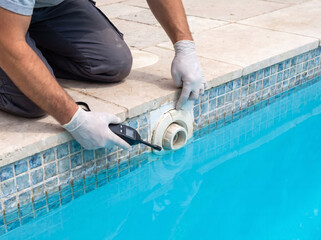
A repeatable difference between the pool and bucket, ongoing unexplained top-ups or wet areas near equipment justify a closer look. Include the test notes, whether the pump was operating and any visible leak. A bucket comparison helps screen water loss; it does not locate a broken pipe or fitting.
Do not wait for a long screening test if the pool is losing water rapidly or the equipment cannot run normally. Keep people away from electrical concerns and follow the equipment’s safe operating instructions. Do not drain the pool to search for the cause.
West Central Florida’s rainy season generally runs from May 25 to October 10. Rain can invalidate a bucket comparison and automatic filling can hide loss in any season. Choose a suitable test window and record the conditions rather than diagnosing a leak from the calendar.
At an apartment, hotel or community pool, water-use records can reveal a problem that autofill conceals. Coordinate testing with the operator and account for operating flow and pool access. Commercial detection needs a plan that fits the property’s normal operation.
A local published Tampa guide places many full diagnostic visits around $250–$650, with more complex testing potentially higher. Treat that as a planning benchmark. Repair scope, excavation, new fittings or structural work are priced after the source and access requirements are understood.
No. Water use and loss should be measured in context. Evaporation, swimming, backwashing, rain and autofill can change what you see at the waterline.
Not automatically. Detection identifies the likely source and repair scope; parts, excavation or structural repairs should be listed separately in the quote.
Targeted tests may narrow the location before work is opened up. The result depends on the plumbing layout, access and the fault, so no one should promise an exact excavation size before investigation.
Use a suitable rain-free interval and repeat a disturbed comparison. If water is dropping rapidly or equipment is affected, arrange assessment rather than waiting for ideal test weather.
Tell us what changed, what equipment you have and whether the pool serves a home or shared property.
Get a Quote